Our Impact & Evidence
At Dao Resilia, we’re dedicated to making a measurable difference through trauma-informed martial arts, building a strong evidence base for embodied approaches.
Impact & Research
Discover how Dao Resilia’s trauma-informed martial arts programs foster mental health, resilience, and empowerment through real stories, data visualizations, and research findings.
- Testimonials from community members and instructors highlighting personal transformations.
- Data visualizations showing improvements in mental health metrics.
- Research summaries demonstrating the effectiveness of embodied approaches.
Healing
Community members share how martial arts have helped them recover and rebuild resilience after trauma.
Research
Our pilot studies and data collection efforts provide evidence supporting trauma-informed martial arts as a mental health intervention.
Data
Visual insights into program outcomes and community impact through charts and infographics.
Case
Real-world stories and case studies illustrating transformative impacts.
Under Construction
This section is currently under construction. Please check back later for updates.
Pilot Study Results: Martial Arts for Mental Health Recovery
Our pilot study demonstrates the effectiveness of trauma-informed martial arts in supporting mental health recovery. We observed significant improvements in participants with depression, PTSD, and psychosis. These results highlight the potential of embodied approaches to mental health and well-being, paving the way for broader implementation and further research.
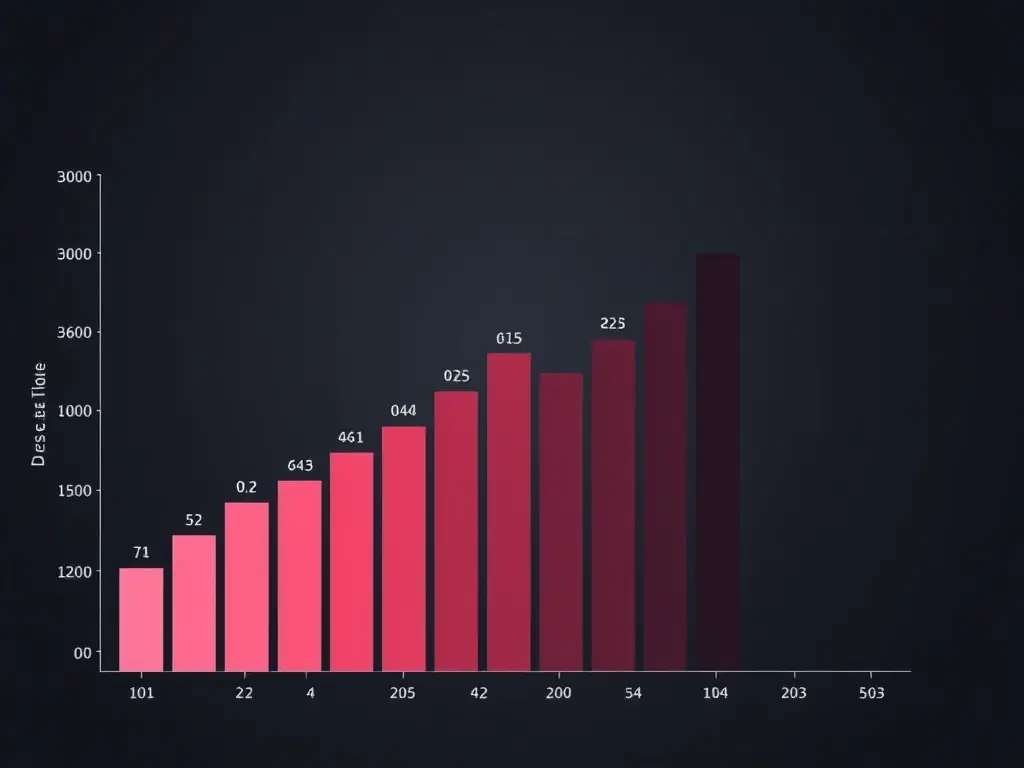
Depression Symptom Reduction
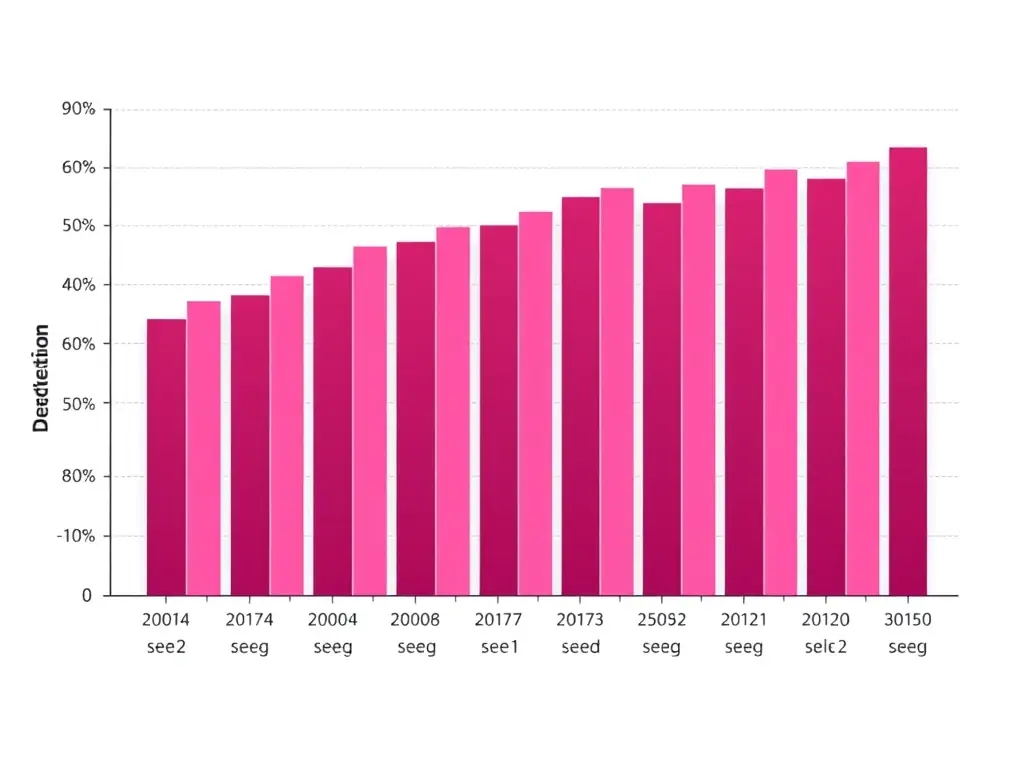
Participants experienced a notable reduction in depression symptoms following the martial arts program. The data suggests that physical activity and mindfulness practices contribute to improved mood and emotional regulation.
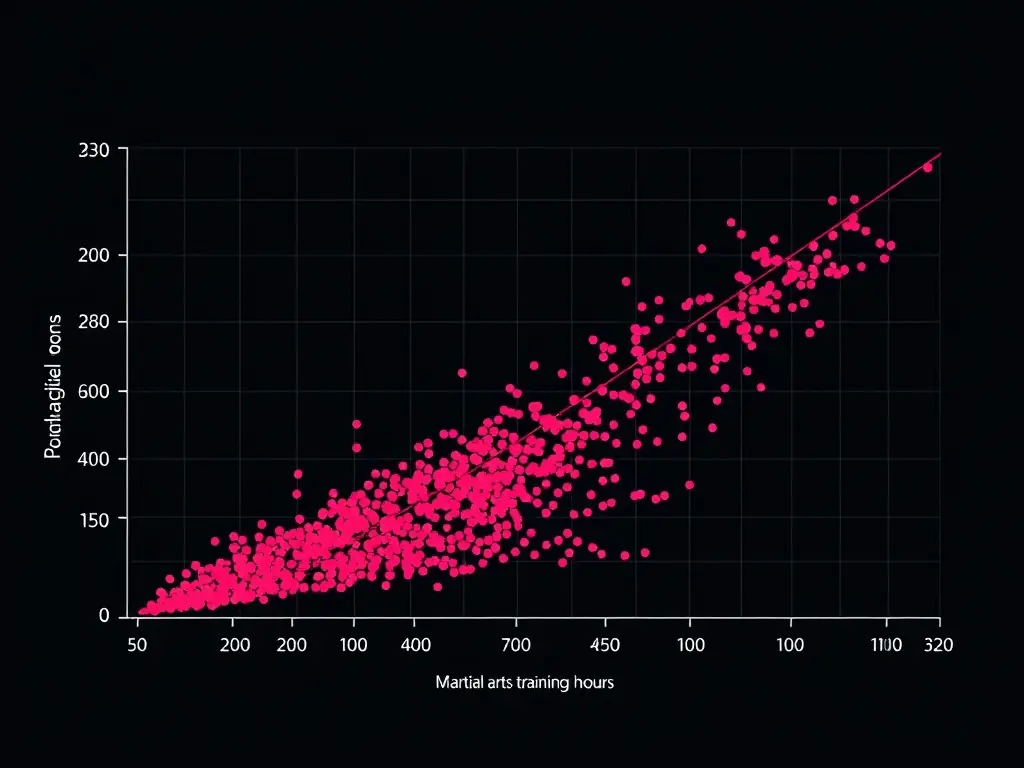
PTSD Symptom Severity vs. Training
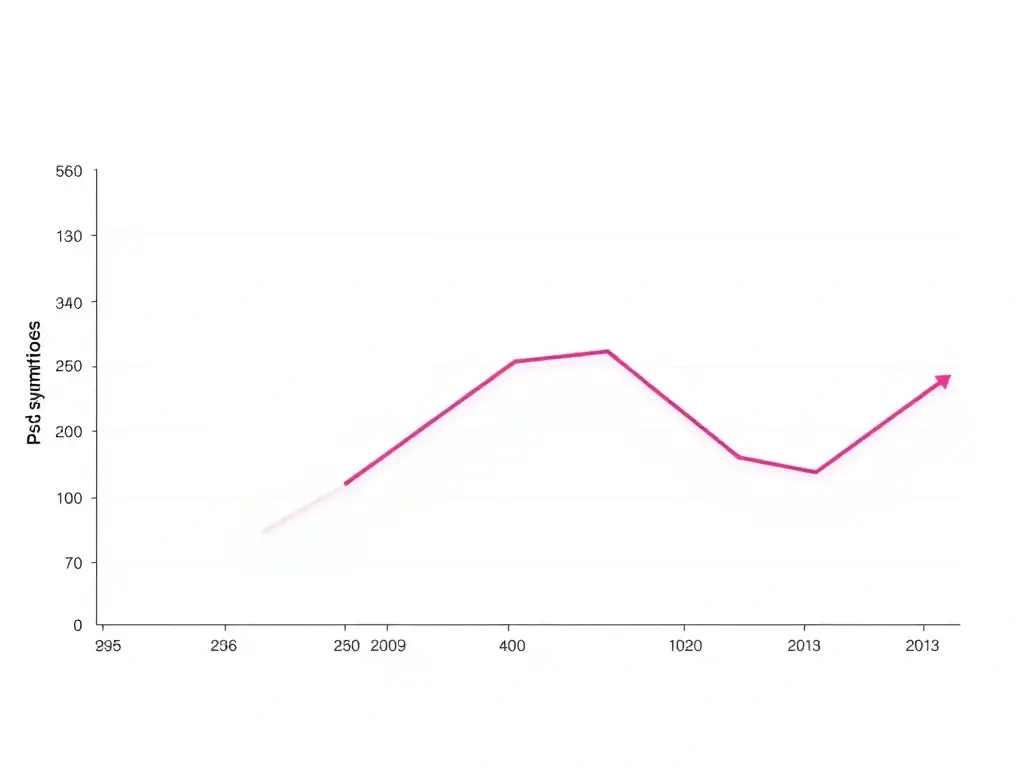
The correlation between training hours and PTSD symptom severity reveals the potential of martial arts to mitigate trauma-related distress. Regular practice may help individuals regain a sense of control and safety.
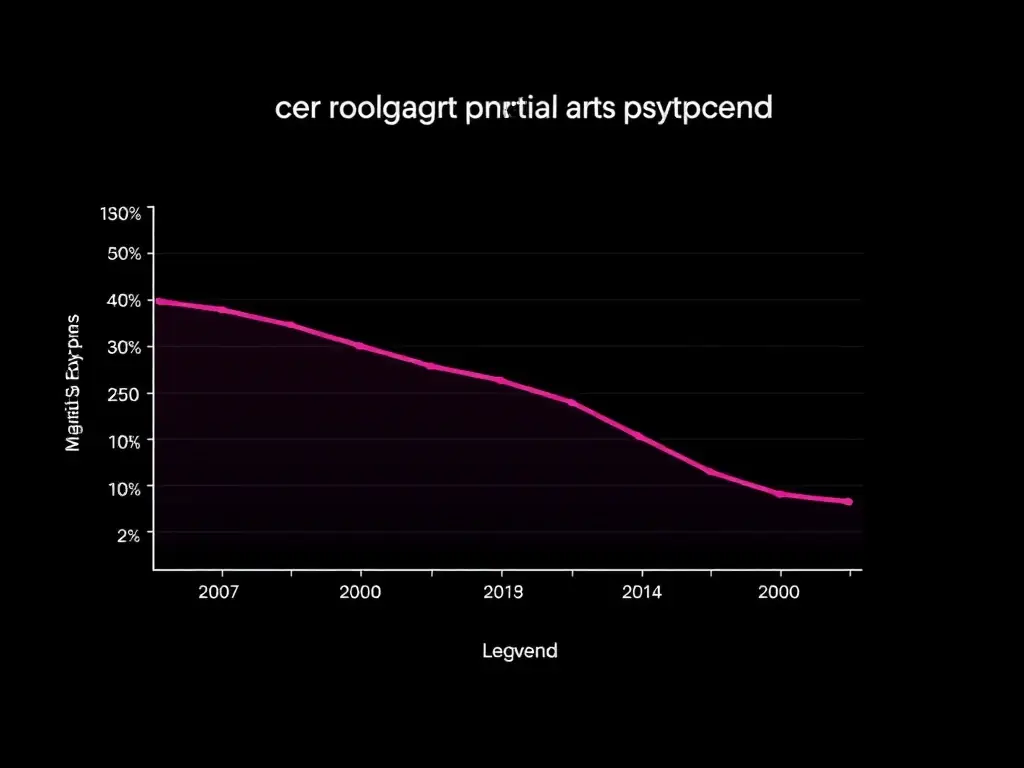
Reduction in Psychotic Symptoms
The martial arts intervention led to a reduction in psychotic symptoms among participants. This suggests that embodied practices can complement traditional treatments and promote mental well-being in individuals with psychosis.
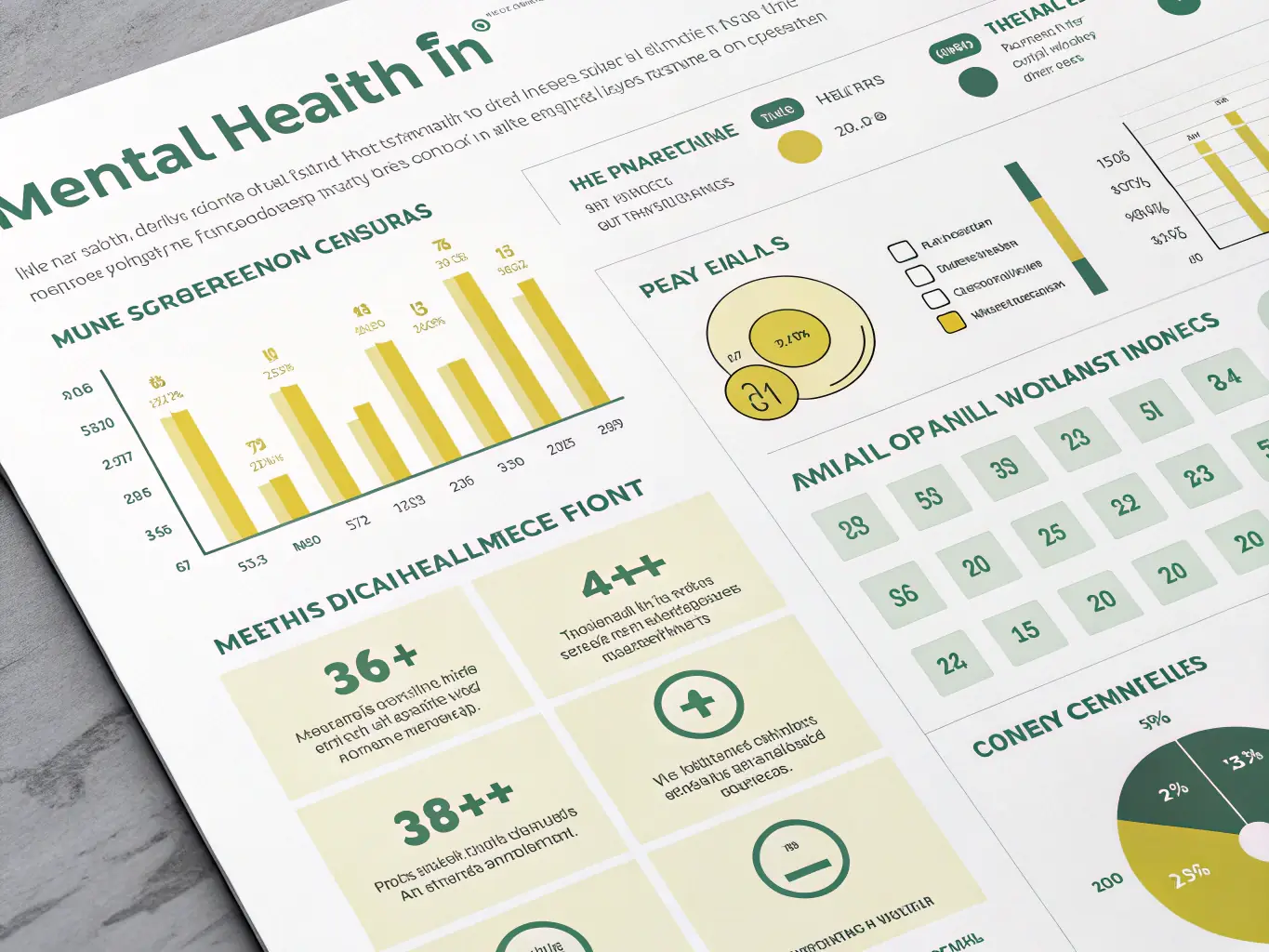
Pilot Study Results
We conducted a pilot study to evaluate the effectiveness of our trauma-informed martial arts program in supporting mental health recovery for individuals affected by depression, PTSD, and psychosis. The results are promising and suggest that our approach can significantly improve mental well-being.
Results Overview
Pilot Study Outcomes
Our pilot study demonstrates significant improvements in mental health metrics, showcasing the effectiveness of trauma-informed martial arts in recovery.
Depression Recovery
Graphical data showing reduction in depression symptoms among participants, with before and after scores, highlighting the positive impact of our program.
- Pre-Program: 70%
- Post-Program: 30%
- Reduction in symptoms
PTSD Recovery
Visual data illustrating the decrease in PTSD symptoms, emphasizing the effectiveness of trauma-informed martial arts interventions.
- Initial Symptoms: 65%
- Post-Intervention: 25%
- Symptom Reduction: 40%
Psychosis Recovery
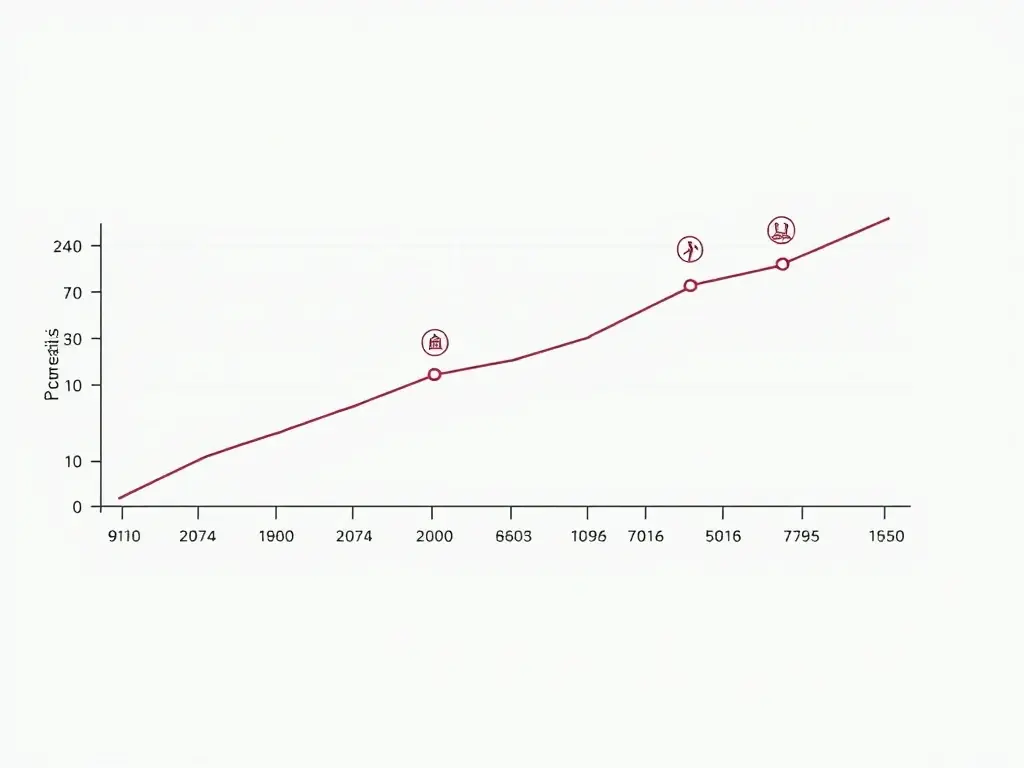
Line graph tracking recovery progress, demonstrating improvements in mental health stability through our program.
- Baseline: 50%
- After 3 Months: 20%
- Improvement: 30%
Pilot Study Results: Martial Arts for Mental Health
Our pilot study investigated the effectiveness of trauma-informed martial arts in supporting mental health, resilience, and empowerment in displaced and trauma-affected communities. The study focused on individuals experiencing depression, PTSD, and psychosis. Here are some key findings: